


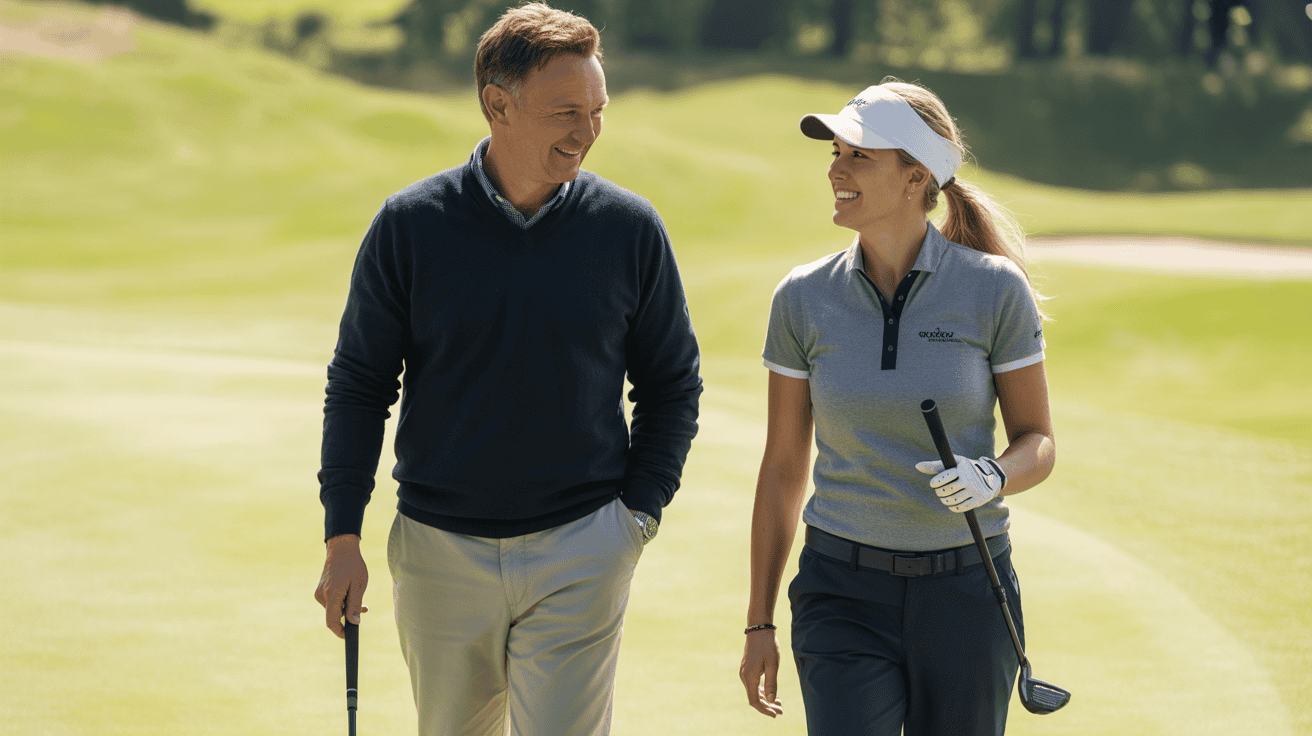
Coaching is the single fastest way to improve your golf. Here’s how to make sure you find the right person — and get the most out of working with them.
Most golfers improve up to a point and then stop. Not because they stop caring, not because they stop playing, but because self-managed improvement has a ceiling. Without someone qualified watching you and telling you specifically what’s happening, the habits that are holding you back become permanent. You play the same round on a slightly different course and wonder why nothing is changing.
Coaching breaks that cycle. It is, straightforwardly, the best investment you can make in your golf.
Before you start — know what you want to achieve
The most useful thing you can do before you book a lesson is think clearly about what you’re actually trying to get out of it. Not in vague terms — “get better” isn’t enough — but specifically.
Are you trying to enjoy the game more? Get your handicap moving after a long plateau? Perform better when you’re playing in competition? Each of those is a different problem and needs a different kind of coaching. A coach who knows exactly what you’re trying to achieve from the first session will get you there faster than one who’s working it out as they go.
Be honest about your practice time too. Coaching without any practice between sessions still produces improvement, but coaching backed by even 20 minutes of focused practice a week produces significantly more. If your time is limited, tell your coach — a good one will factor that in rather than set you up to fail.
The practicalities
How many lessons do you need? One won’t fix anything permanently — that’s not a sales pitch, it’s how motor learning works. A block of four to six lessons spaced two to three weeks apart is a sensible starting commitment. After that, reassess. Many golfers continue with monthly check-ins rather than intensive blocks.
One-to-one or group? Both have genuine value. Group lessons cost less and the social dynamic helps many women learn — watching someone else work through a problem you recognise is more useful than it sounds. One-to-one gives you focused individual attention and is the right choice if your problem is specific or if you’re working on competition performance.
What will it cost? Coaching isn’t cheap. Expect to pay £40–£70 for a one-to-one session depending on location and the coach’s experience. Group sessions are typically £15–£25 per person. It is worth the investment — but knowing what you want to achieve going in makes sure you’re not paying for sessions that aren’t moving you forward.
How to find the right coach
Start at PGAPlay — the PGA’s Find a Coach tool lets you search by location for qualified professionals near you. Every coach listed has completed structured PGA training.
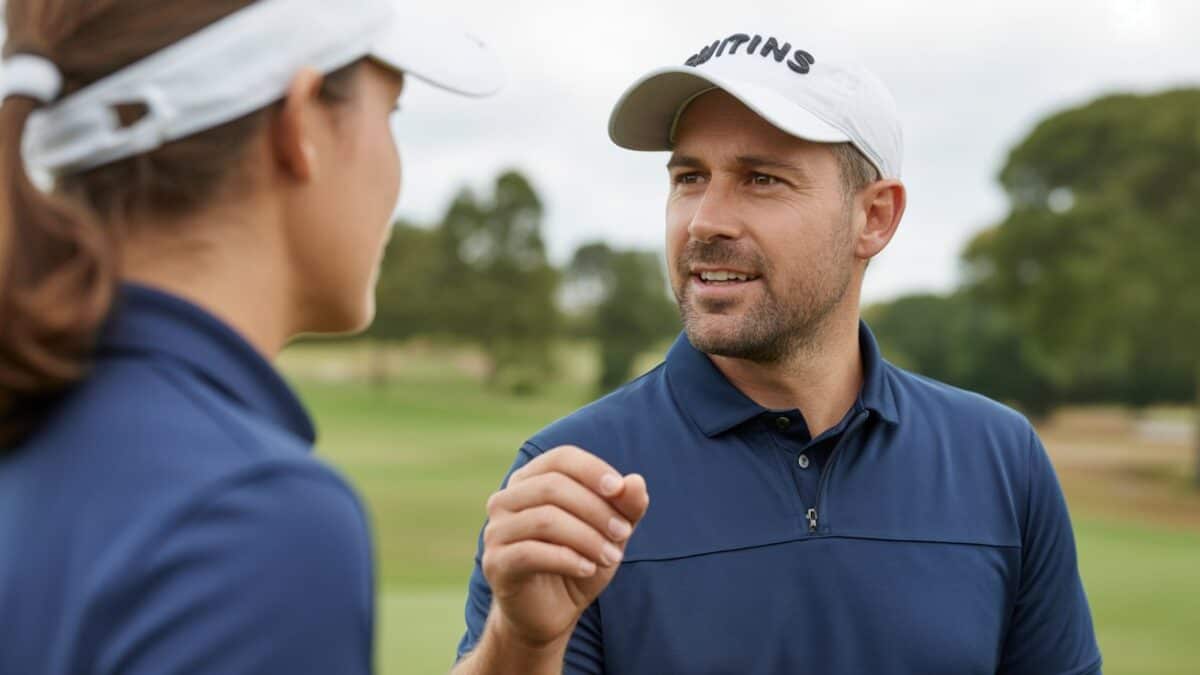
Look for someone with genuine experience teaching women at your level. Check their website before you make contact — does it feature women golfers, does it talk about the kind of improvement you’re looking for? When you get in touch, notice how they respond. A coach who asks what you’re trying to achieve before you’ve even booked is already showing you something important.
What the first lesson should tell you
You should leave with one or two specific things to work on — not a list of everything that needs fixing. The coach should have watched you carefully before saying anything, explained their thinking in plain language, and made you feel capable rather than overwhelmed.

If it didn’t feel right, try someone else. Finding the right fit is part of the process. The goal is simple: golf that improves because someone qualified is helping you get there.
Find a qualified PGA coach near you at PGAPlay


