

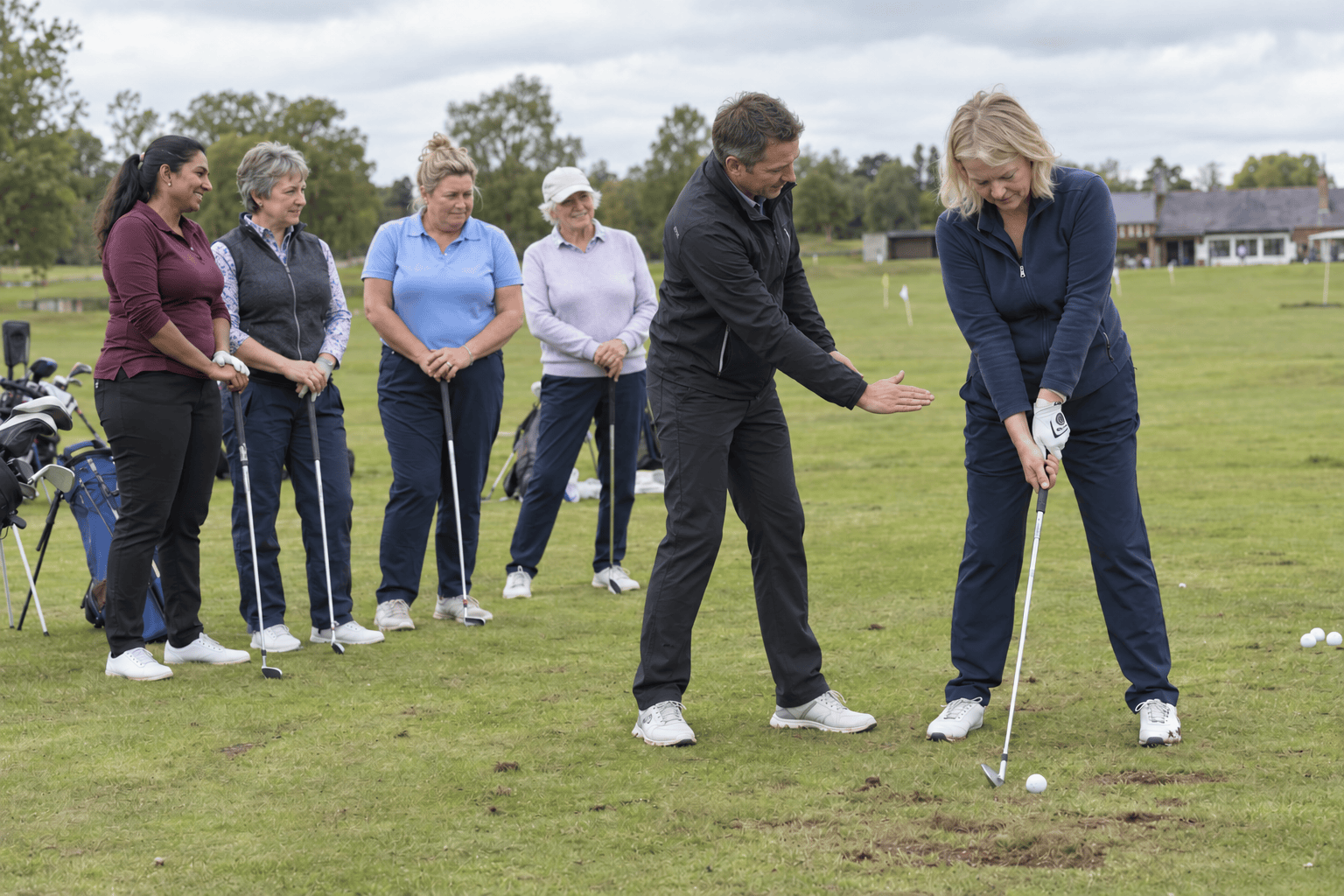
Golf clubs are getting better at encouraging women to give golf a try. But once the taster sessions and beginner lessons are over, are we doing enough to keep them playing?
Getting women to try golf is no longer the challenge it once was. Across the country, clubs are running taster days, beginner coaching programmes and women-only sessions designed to make those first steps into the game more welcoming.
And many are doing it successfully. Women who might never have considered walking into a golf club are picking up a club for the first time, discovering a new sport and enjoying the experience of learning alongside others.
But what happens when the six-week course finishes?
It’s a question that deserves more attention, and one that emerged from discussions at the recent England Golf Women & Girls Summit. While attracting more women into golf remains a priority, keeping them involved is just as important.
The difficulty is that the traditional pathway from beginner lessons to club membership doesn’t necessarily reflect what every woman wants from the game.

The Gap Between Learning and Playing
A typical introduction to golf might begin with a taster session, followed by a structured programme of group lessons. Over several weeks, participants learn the basics, become familiar with the equipment and start to develop confidence.
Then comes the question of what to do next.
For clubs, the obvious progression is often another coaching package, an academy membership or an invitation to join.
But for the women involved, the next step may be less straightforward.
Some will be enthusiastic about becoming members and progressing towards regular club golf. Others may enjoy the social aspect of learning, want to practise occasionally or simply feel they need more time before committing to anything.
They may not yet feel ready to play on the course independently. They may have limited time, other commitments or concerns about the cost of membership.
None of these things means they’ve lost interest in golf.
Yet if the only obvious route forward involves joining a club, it’s easy to see how some women might drift away.
Membership Shouldn’t Be the Only Measure of Success
Golf clubs naturally want introductory programmes to generate new members. Membership provides financial stability and helps sustain the facilities, coaching and activities that make these initiatives possible.
But there’s a danger in treating membership conversion as the primary measure of whether a beginner programme has worked.
A woman who completes her lessons and continues playing occasionally, takes further coaching or meets friends for social golf has developed a connection with the game. She may eventually become a member, but that decision could take months or even years.
Equally, she may never want a traditional membership.
The important question is whether golf has provided enough opportunities for her to remain involved.
This requires a shift in thinking. Rather than viewing introductory coaching as the first stage of a membership sales process, clubs could see it as the beginning of a longer relationship with a new golfer.
And that relationship needs nurturing.
Creating the Missing Middle
Perhaps the greatest opportunity lies in the space between completing beginner lessons and becoming an established golfer.
This is where clubs can offer something more flexible than either another introductory course or full membership.
Regular improver sessions allow women to continue developing their skills while maintaining the familiar group environment. Supported on-course experiences help bridge the gap between hitting balls on the practice ground and playing a round of golf.
Shorter formats, relaxed social sessions and opportunities to play three, six or nine holes can make the game feel more manageable.
Just as importantly, these activities give women a reason to return regularly.
The social connections formed during beginner lessons shouldn’t be underestimated. For many women, learning alongside others is an important part of the enjoyment. If those groups simply disperse when the course ends, clubs risk losing the friendships and confidence that have developed.
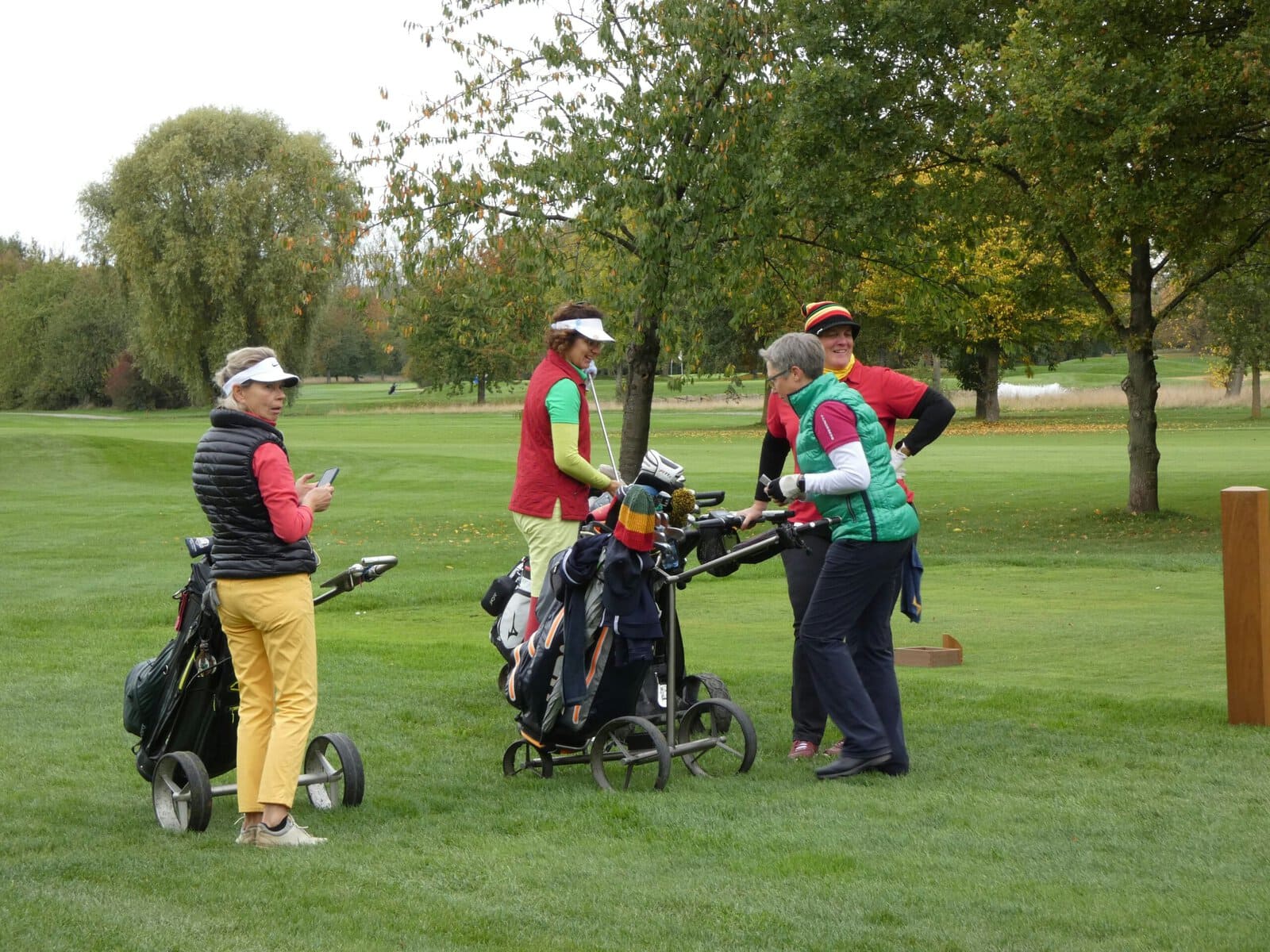
Keeping participants connected through regular sessions, informal playing groups or simple communication can make a considerable difference.
The aim should be to make continuing with golf feel like a natural next step rather than another major decision.
A Club-Wide Responsibility
It’s tempting to regard beginner development as the responsibility of the PGA professional delivering the lessons.
But successful progression requires more than good coaching.
Club managers, committees and existing members all have a role in creating an environment where newer golfers feel welcome and have realistic opportunities to play.
That might involve reviewing access to the course, offering more flexible playing arrangements or making sure there are suitable times for beginners to enjoy golf without feeling under pressure.
It also means understanding that women entering the game may have different expectations from those who have been members for many years.
Some will want competitive golf and an active role in club life. Others will prefer informal, occasional participation.
Neither approach is more valuable to the future of women’s golf.
Clubs that recognise these different motivations will be better placed to develop programmes that retain interest rather than simply generate initial enquiries.

Are We Asking the Right Questions?
The golf industry has made considerable progress in encouraging more women to experience the game. Taster days and beginner programmes are an important part of that work and deserve continued support.
But recruitment figures tell only part of the story.
How many participants are still playing three months after their lessons? How many return regularly after six months? Do clubs know why some women stop, or what might have encouraged them to continue?
These questions could provide a much more useful picture of success than the number of beginners who immediately take out membership.
They could also help clubs understand which activities women genuinely value and where additional support is needed.
Ultimately, growing women’s golf isn’t simply about persuading more women to try the game. It’s about making golf something they can continue to enjoy in a way that works for them.
A six-week course should open the door, not lead to another hurdle.
And if clubs can create a welcoming, affordable and flexible pathway beyond those first lessons, membership may well follow.
But even when it doesn’t, keeping another woman playing golf is surely a result worth celebrating.
Eight Ways to Turn Beginners Into Regular Golfers
For clubs looking to improve retention, the starting point is to think beyond the final coaching session.
Plan the next step from day one. Make sure every beginner programme has a clear follow-on opportunity before it begins.
Ask women what they want. Find out whether participants are interested in more coaching, social golf, regular playing opportunities or membership.
Keep the group together. Help the friendships formed during lessons continue through social sessions and informal playing groups.
Offer a stepping stone. Provide improver coaching, supported on-course sessions and shorter playing formats.
Make golf accessible without immediate membership. Explore affordable, flexible options for women who aren’t ready to join.
Share responsibility across the club. Ensure professionals, managers, committees and members understand their role in welcoming beginners.
Stay in touch. Keep participants informed about opportunities to play and make it easy for them to return.
Measure retention, not just recruitment. Find out how many women are still involved after three, six and twelve months — and learn from those who leave.
The goal isn’t simply to turn every beginner into a member. It’s to give every woman who enjoys her first experience of golf a reason to keep playing.
READ MORE: Your First Golf Lesson: What Actually Happens?


