


Sweaty hands change your grip entirely, and most golfers never clock it. It’s the summer problem nobody talks about — until the club starts twisting in your hands at the top of the swing.
Sunburn gets the warnings. Hydration gets the reminders. Grip wear gets nothing — and it’s costing golfers shots through July and August.
It’s easy to miss because it happens gradually. Your hands compensate for a slipping grip by squeezing harder. Tension creeps into your forearms. Your tempo goes with it. By the back nine you’re playing with a different set of hands to the ones you started with, and you’ll blame the swing before you blame the equipment.
What’s actually happening to your grip
Grips wear out faster in heat. Rubber and synthetic compounds lose tackiness through UV exposure, oil transfer from skin, and sweat — all of which accelerate in summer. A grip that would show a winter’s wear can pick up the same damage in six to eight weeks of hot-weather golf.
That shows up as:
- The club twisting in your hands at the top of the backswing
- Slipping through impact, leading to inconsistent contact and direction
- Overcompensating with grip pressure, which tightens the forearms and kills tempo
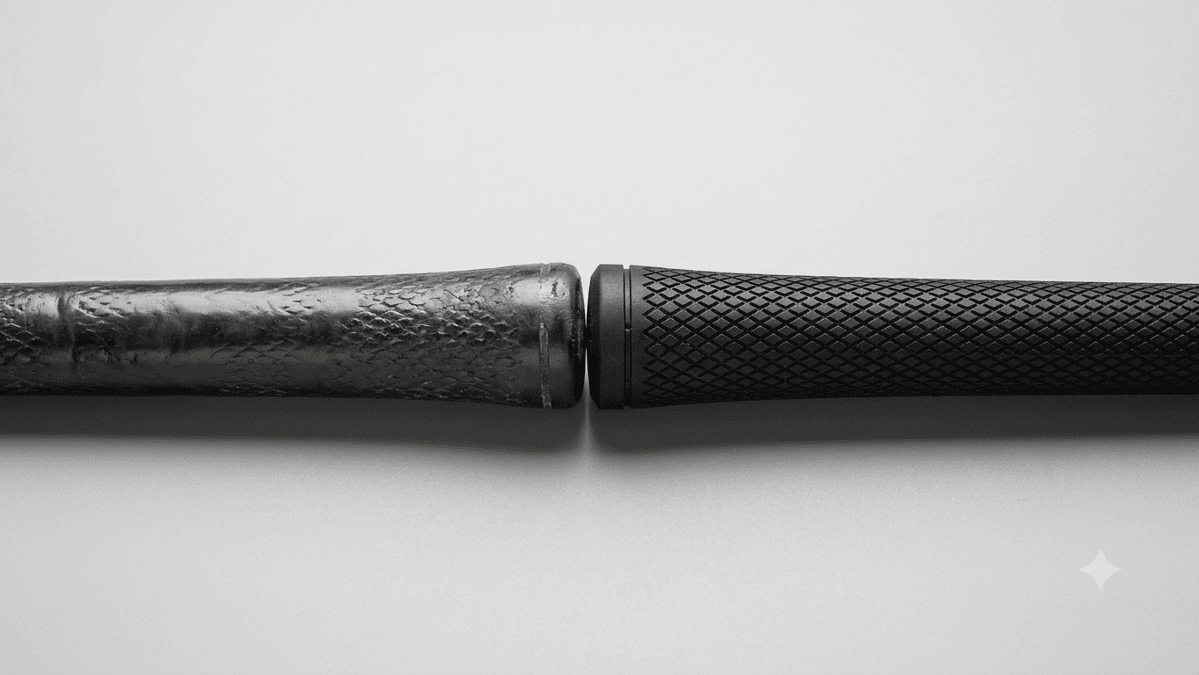
None of this is a swing fault. It’s worn equipment doing what worn equipment does.
How to check your grips
Three checks, doable in the car park before you tee off.
- The shine test. Look at the grip under direct light. Worn grips develop a shine, especially where your thumbs sit. Matte and textured is what you want.
- The twist test. Hold the club out and try to twist the grip without squeezing hard. If it moves easily, it’ll move in your swing too.
- The tackiness test. Grip the club with dry hands. If it feels slick even dry, it has nothing left to give once heat and sweat are added.
Fail two of the three and it needs replacing. Fail all three and it’s already cost you shots.
When to regrip
Standard advice is once a year, or every 40 rounds. That doesn’t hold up in summer — heat and sweat accelerate wear, so treat 40 rounds as closer to 25 or 30. If your grips were already a year old going into summer, don’t wait for autumn.
Regripping is one of the cheapest, highest-impact changes in golf. A full set costs a fraction of a lesson, and far less than most equipment upgrades — against the mishits and lost distance a slipping grip is already costing you.
Pro shops offer it as standard, usually with a quick turnaround. Mobile fitters increasingly do it on-site at clubs. DIY kits exist too, but for most golfers the professional job is cheap enough that it’s not worth the risk of doing it yourself
Quick fixes if you can’t regrip today
- A grip glove, or an extra glove for the trail hand
- A dry towel — wipe the grip itself, not just your hands
- Grip powder or rosin, for a temporary fix
- Drying your hands before every shot, not just when they feel wet
Cleaning your grips properly
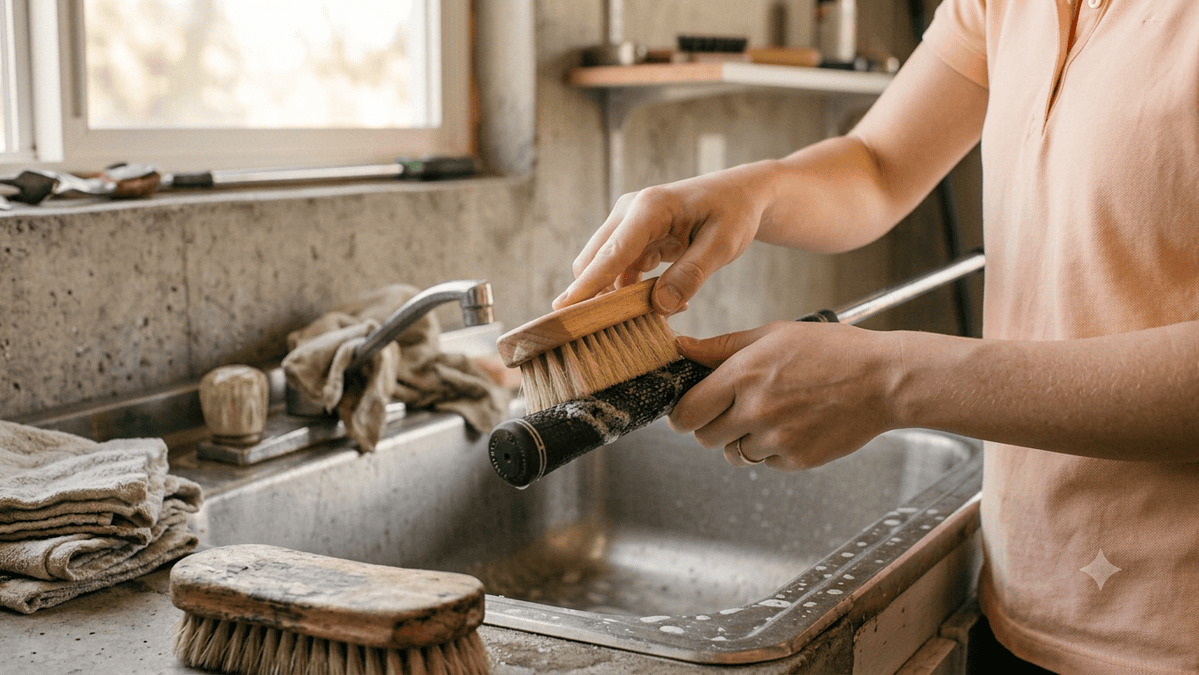
Regular cleaning delays wear — it’s the easiest habit to skip.
Do: warm water, a little dish soap, and a soft brush worked into the pattern. Rinse, towel dry, then air dry fully before the club goes back in the bag. In summer, do this every few rounds, not once a season.
Avoid: alcohol-based cleaners or solvents, which strip tackiness faster; leaving grips wet in a closed bag; and storing clubs somewhere hot, like a car boot.
The takeaway
- Sweaty hands change your grip mechanics, not just your comfort
- Check with the shine, twist, and tackiness tests — not by counting months
- Clean grips regularly to delay wear, but it won’t replace a regrip
- Regripping in summer is overdue faster than you think, and it’s cheap — do it now
Does your Putter Grip fit the way you play? Read the article here


