

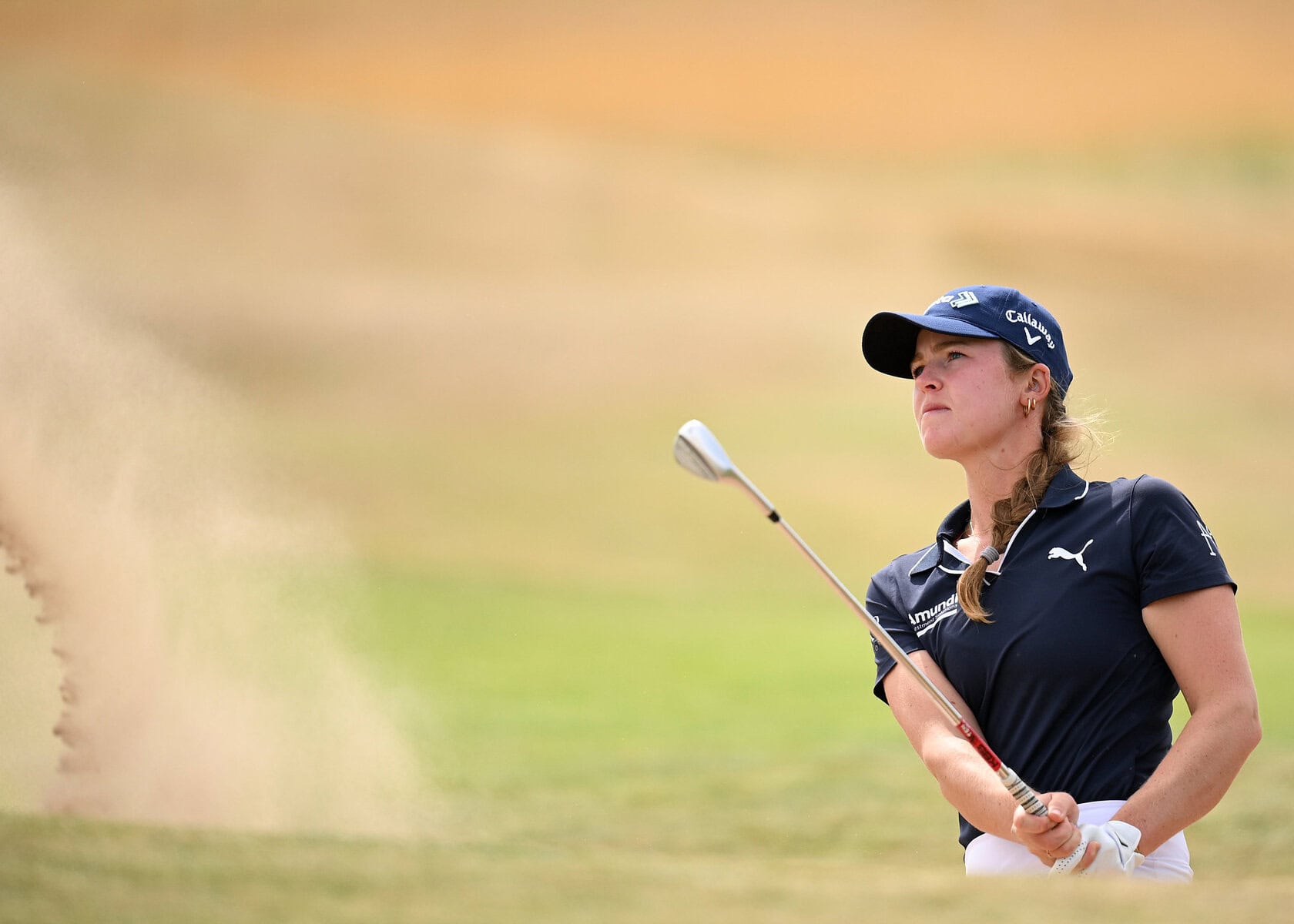
Four rookies join some of Europe’s most experienced Solheim Cup players at Bernardus. Anna Nordqvist has chosen an intriguing blend of new blood and old hands as Europe attempt to win back the trophy.
There will be two very different kinds of Solheim Cup experience in the European team room at Bernardus this week.
Charley Hull and Carlota Ciganda are preparing for their eighth appearances and know almost everything there is to know about the peculiar pressures of this competition. At the other end of the scale, Lottie Woad, Julia López Ramírez, Nastasia Nadaud and Mimi Rhodes have never played a Solheim Cup match.
Four rookies in a team of 12 looks significant, particularly when Europe are trying to win back the trophy from an American side containing only two debutants. Yet it would be misleading to view Anna Nordqvist’s newcomers simply as an inexperienced part of the team that needs protecting.

They are at Bernardus because their golf has demanded attention. Woad qualified automatically after a remarkable rise through the professional game, while Rhodes, Nadaud and López Ramírez did enough to persuade Nordqvist to use three of her four captain’s picks on Solheim Cup newcomers.
It gives Europe a different look this time. There is plenty of experience, but also a new generation arriving with very little Solheim Cup history to weigh them down.
New faces, but not an inexperienced team
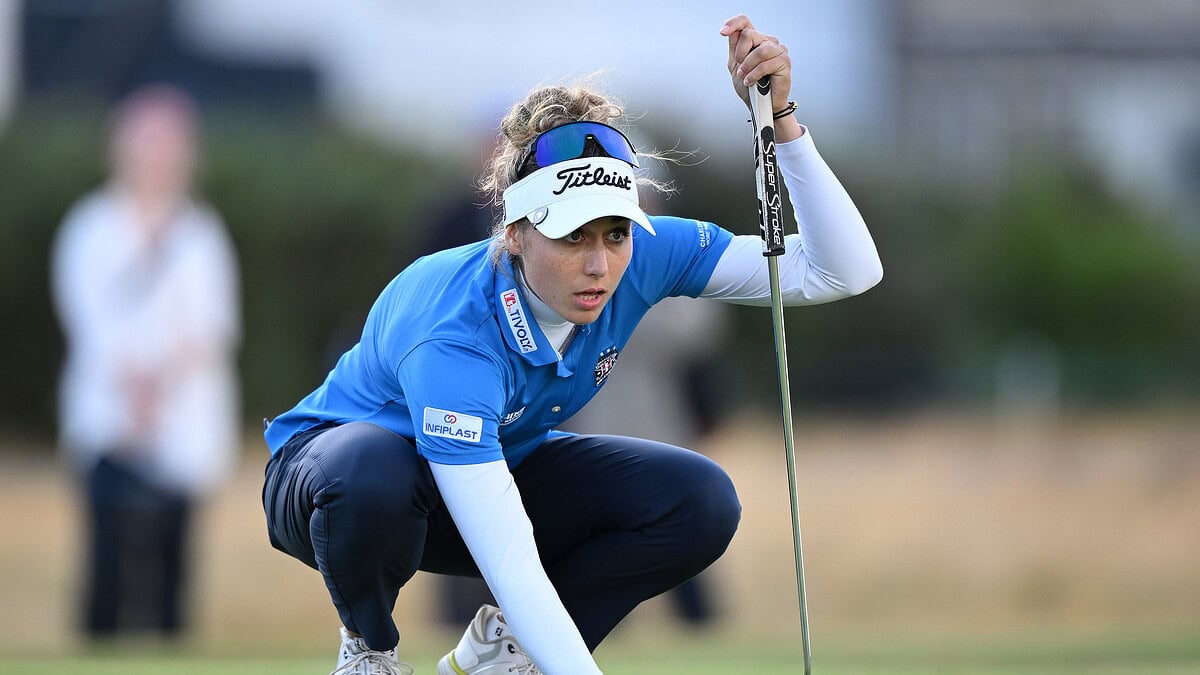
Photo Credit: LET
Europe’s changing of the guard has been developing for some time, but this week brings it sharply into focus. Woad has quickly established herself as one of the most exciting young players in the women’s game, Rhodes won three times on the LET in 2025, Nadaud has already won the Andalucía Costa del Sol Open de España and López Ramírez has impressed since turning professional.
None has been selected simply with the future in mind. Nordqvist needs them to contribute now.
There will inevitably be nerves. A Solheim Cup first tee, with thousands of spectators packed around it and a partner standing alongside, bears little resemblance to the opening hole of an ordinary tournament. The pressure is shared, mistakes affect somebody else and players who are used to controlling their own week suddenly have to adapt to the needs of a team.
But being new to all of that can have advantages too. None of Europe’s rookies carries memories of the defeat in Virginia two years ago. They have no unsuccessful partnerships to revisit and no previous Solheim Cup disappointments to overcome. Bernardus is a blank page.
Leona Maguire demonstrated just how powerful that can be when she made her debut in 2021. She arrived without a Solheim Cup record and left Ohio as one of the stars of Europe’s victory, unbeaten in five matches and collecting 4½ points. It would be unreasonable to expect any of this year’s rookies to reproduce that extraordinary debut, but Maguire showed that experience is not a prerequisite for thriving in match play.
Hull and Ciganda now become the old hands
What makes Nordqvist’s gamble on youth considerably less risky is the experience surrounding it.
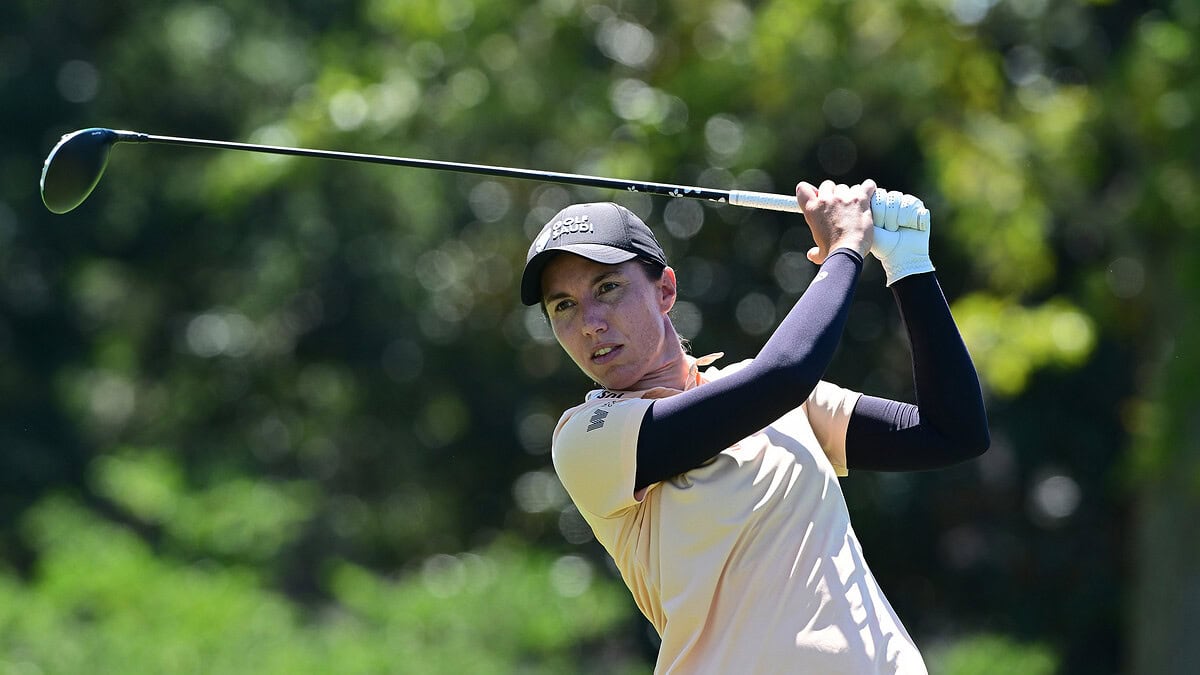
Hull and Ciganda have been part of every European team since 2013. They have experienced victories, defeats, hostile crowds in America and the extraordinary atmosphere of a home Solheim Cup. Maguire has collected 8½ points from only 12 matches, while Céline Boutier heads into her fifth appearance.
Their role this week is likely to extend beyond simply winning their own points.
Hull was only 17 when she made her debut in Colorado. Thirteen years later she is one of the senior figures in the team, arriving at Bernardus playing some of the strongest golf of her career. Her emphatic 6&4 victory over Nelly Korda in the 2024 singles was one of the highlights of an otherwise disappointing week for Europe.
Ciganda brings an equally valuable bank of experience. Her victory in the singles in Spain in 2023 secured the point that allowed Europe to retain the trophy, while Maguire has repeatedly demonstrated an ability to embrace the intensity of match play.
For Nordqvist, those players offer more than reliable names on the team sheet. They give her options. A rookie can be paired with an experienced player who knows how to handle the occasion, rather than being expected to navigate it alone.
That is why the first pairings will be particularly revealing. We will begin to see whether Nordqvist wants to protect her newcomers, mix youth and experience, or simply trust the combinations she believes can win points regardless of Solheim Cup history.
Could freshness work in Europe’s favour?
Europe need something to change. The USA arrive as defending champions after their 15½-12½ victory in Virginia and with much of that winning team intact. Europe cannot simply assume that the formula that worked at Gleneagles in 2019, Inverness, Ohio in 2021 and Finca Cortesin in 2023 will work again.
That is where the four newcomers become particularly interesting.
They bring uncertainty, but also energy. They have not been part of Europe’s recent Solheim Cup story and do not carry any baggage from the defeat two years ago. They have earned their places during a period when the depth of European women’s golf has continued to grow.
The home crowd could help too. A nervous rookie can quickly become a confident one when thousands of supporters are celebrating every holed putt, and Solheim Cup history is full of players who have produced performances that few would have predicted before the week began.
There is risk in Nordqvist’s selection. Four players are about to discover an environment unlike anything they have experienced before, while the Americans have considerably more continuity from their 2024 victory.
But Europe have not simply chosen youth. They have put four newcomers alongside a core of players with decades of Solheim Cup experience between them.
That may ultimately be the strength of this team. Hull and Ciganda know exactly what is coming. Woad, Rhodes, Nadaud and López Ramírez do not.
At Bernardus, Europe may discover there is value in both.
Keep up to date with all the news from the Solheim Cup


