
366

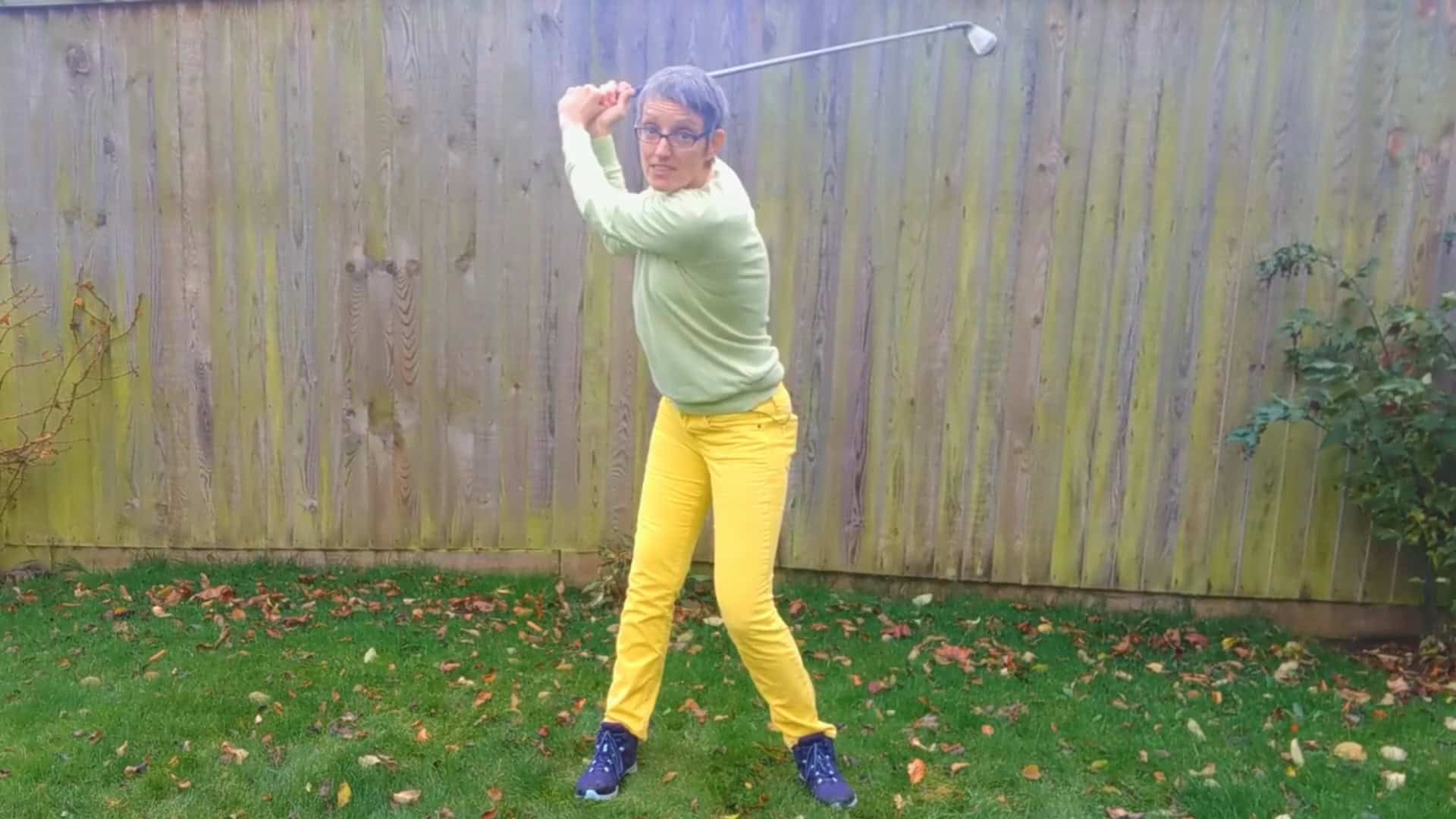
In this lesson, coach Sue Shapcott, PhD, PGA GB&I, clears up the confusion around backswing length — a topic that challenges golfers of all levels. Sue explains what overswinging truly means, whether a club moving past horizontal is a real problem, and how to determine the swing length that works for your body. This video is perfect for golfers who want more consistency without obsessing over textbook positions.
Key Takeaways
- Overswinging” usually refers to the club going past horizontal or the arms moving beyond a structurally stable position.
- A longer swing is not automatically bad — it only becomes an issue if it causes loss of control, sequencing problems, or inconsistent ball-striking.
- Many golfers overswing due to excess arm lift, collapsing elbows, or insufficient body rotation.
- The correct backswing length is unique to each golfer, influenced by flexibility, coordination, and strength.
- What matters most is whether your swing length allows you to deliver the club on time and return to impact with structure.
- Sue outlines the key signs that your backswing length is functional — and what red flags indicate it’s hurting your performance.